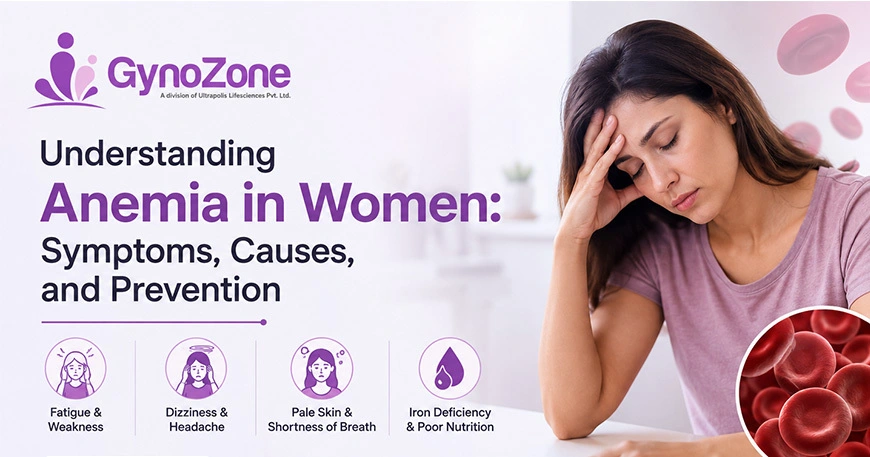

Anemia is one of the most common health concerns among women, affecting energy levels, overall health, and quality of life. Understanding its symptoms, causes, and ways to prevent it can help women take timely steps toward better health.
Feeling tired after a busy day is normal, but constant fatigue, weakness, or dizziness could be a sign of something more than everyday stress. One of the most common reasons for these symptoms in women is anemia, a condition that occurs when the body does not have enough healthy red blood cells or hemoglobin to carry adequate oxygen to its tissues.
Women are more likely to develop anemia than men due to factors such as monthly menstrual blood loss, pregnancy, childbirth, and increased nutritional needs. In India, iron deficiency anemia is especially common among adolescent girls and women of reproductive age, making awareness and early prevention essential.
Although anemia can affect women of all ages, it often develops gradually, and its symptoms may be mistaken for tiredness caused by a busy lifestyle. Recognizing the early signs and understanding the possible causes can help prevent complications and support overall well-being.
In this guide, we’ll discuss what anemia is, why women are more prone to it, its common symptoms and causes, foods that support healthy iron levels, preventive measures, and when it is important to seek medical advice.
What Is Anemia?
Anemia is a condition in which the body has fewer healthy red blood cells or lower-than-normal levels of hemoglobin. Hemoglobin is a protein found in red blood cells that carries oxygen from the lungs to the rest of the body.
When the body does not receive enough oxygen, everyday activities can become more tiring. This is why people with anemia often feel weak, tired, or short of breath, even after doing simple tasks.
There are different types of anemia, but iron deficiency anemia is the most common form among women. It usually develops when the body does not have enough iron to produce adequate hemoglobin.
Why Are Women More Prone to Anemia?
Women have a higher risk of developing anemia because their bodies have greater iron requirements at different stages of life.
Some common reasons include:
- Menstrual blood loss: Regular menstrual periods can lead to iron loss, especially if bleeding is heavy.
- Pregnancy: During pregnancy, the body needs more iron to support the growing baby and the increased blood volume.
- Breastfeeding: Nutritional needs remain higher after childbirth, making a balanced diet important.
- Low dietary iron intake: Diets that do not provide enough iron-rich foods can gradually reduce the body’s iron stores.
- Frequent pregnancies: Closely spaced pregnancies may not allow enough time for the body’s iron levels to recover.
- Certain health conditions: Digestive disorders, long-term illnesses, or conditions that reduce nutrient absorption can also increase the risk of anemia.
Understanding these risk factors can help women take early steps to maintain healthy iron levels and support their overall health.
Signs and Symptoms of Anemia
The symptoms of anemia can vary depending on its severity. Some women may experience only mild symptoms at first, while others may notice that everyday activities become more difficult due to low energy levels.
Common signs and symptoms include:
- Feeling tired or weak most of the time
- Pale skin
- Dizziness or lightheadedness
- Shortness of breath during routine activities
- Frequent headaches
- Cold hands and feet
- Fast or irregular heartbeat
- Difficulty concentrating
- Brittle nails or increased hair fall in some cases
Since these symptoms can develop gradually, they are sometimes mistaken for stress or a busy lifestyle. If they persist, it is important to consult a healthcare professional.
Common Causes of Anemia in Women
Although iron deficiency is the most common cause, anemia can develop for several reasons.
Some common causes include:
- Heavy menstrual bleeding
- Pregnancy and increased iron requirements
- A diet low in iron-rich foods
- Poor absorption of nutrients due to digestive conditions
- Vitamin B12 or folate deficiency
- Long-term medical conditions affecting blood production
- Blood loss due to injury or certain medical conditions
- Identifying the underlying cause is important because treatment depends on the reason for the anemia.
Iron-Rich Foods That Support Healthy Iron Levels
A balanced diet plays an important role in preventing iron deficiency anemia.
Some iron-rich foods include:
- Spinach and other green leafy vegetables
- Lentils, beans, and chickpeas
- Soybeans
- Pumpkin seeds and sesame seeds
- Dates and raisins
- Lean meat, poultry, and fish
- Eggs
- Iron-fortified cereals
Including a variety of these foods as part of a balanced diet can help support healthy iron levels.
Nutrients That Help Iron Absorption
Getting enough iron is important, but the body also needs certain nutrients to absorb it effectively.
Vitamin C helps improve iron absorption. Foods rich in vitamin C include:
- Oranges
- Lemons
- Guava
- Amla (Indian gooseberry)
- Tomatoes
- Bell peppers
At the same time, drinking tea or coffee immediately after meals may reduce iron absorption in some people. Leaving a gap between meals and these beverages can be helpful.
Tips to Help Prevent Anemia
Simple lifestyle and dietary habits can help lower the risk of anemia.
Here are a few practical tips:
- Eat a balanced diet that includes iron-rich foods.
- Include foods rich in vitamin C with meals.
- Attend regular health checkups, especially during pregnancy.
- Follow your doctor’s advice regarding iron supplements if recommended.
- Do not ignore heavy menstrual bleeding or persistent tiredness.
- Stay physically active and maintain a healthy lifestyle.
- Seek medical advice if you notice symptoms that do not improve.
Taking small preventive steps can help maintain healthy iron levels and support overall well-being.
When Should You See a Doctor?
Occasional tiredness is common, but persistent fatigue should not be ignored.
Consult a healthcare professional if you:
- Feel unusually tired for several weeks.
- Experience dizziness or frequent headaches.
- Notice shortness of breath during routine activities.
- Have unusually heavy menstrual bleeding.
- Feel your symptoms are affecting your daily life.
- Are pregnant and have concerns about your iron levels.
Early diagnosis and appropriate treatment can help prevent complications and improve overall health.
Supporting Better Health Through Awareness
Anemia is one of the most common health conditions affecting women, but it is often preventable and manageable with timely care. Recognizing the early symptoms, understanding the possible causes, and following healthy eating habits can make a significant difference.
Regular health checkups, a nutritious diet, and medical advice when needed can help maintain healthy iron levels and reduce the risk of anemia. By staying informed and taking preventive steps, women can support their energy levels, overall health, and quality of life at every stage of life.