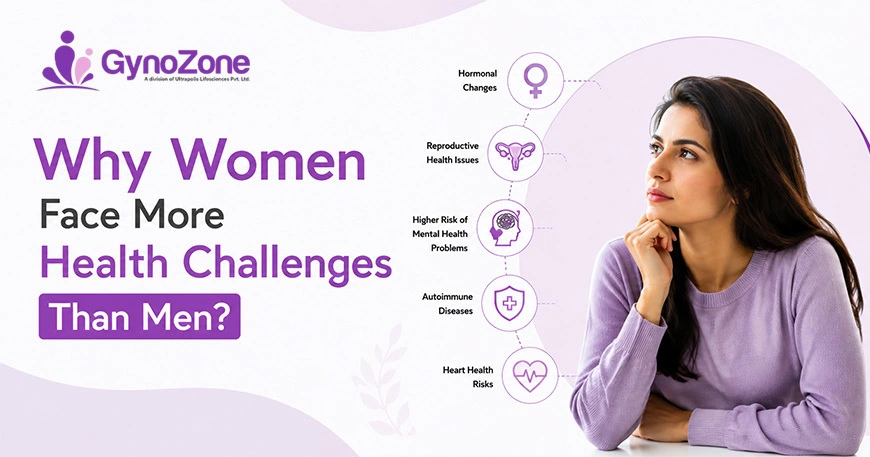

Learn why women experience unique health concerns and how regular care can help at every stage of life.
Women’s health changes throughout life. From puberty to menopause, the body goes through many natural changes. These changes affect hormones, the reproductive system, bones, and even mental well-being.
While both men and women can develop common health conditions, women face several health concerns that are unique to them. Hormonal changes, pregnancy, childbirth, and menopause all play an important role in a woman’s overall health.
Understanding these changes can help women take better care of themselves. It also helps them recognize when it is time to seek medical advice.
Why Do Women Face More Health Challenges?
A woman’s body changes throughout different stages of life. Each stage brings new health needs and sometimes new health concerns.
Hormones play a major role in these changes. They affect the menstrual cycle, fertility, pregnancy, mood, bone health, and many other body functions.
As hormone levels rise and fall over time, women may experience symptoms that require medical care or lifestyle changes.
This is one of the main reasons women benefit from regular health checkups and visits to a gynecologist.
Puberty Brings the First Changes
Puberty is the first major stage of change in a girl’s life. During this time, the body begins to develop, and hormone levels increase.
Girls start getting their menstrual periods, and their bodies prepare for future reproductive health. While these changes are natural, they can also bring new challenges.
Some girls may experience:
- Irregular periods
- Painful menstrual cramps
- Acne
- Mood changes
- Heavy menstrual bleeding
Most of these symptoms improve as the body adjusts. However, severe pain or very heavy bleeding should not be ignored.
Menstrual Health Is an Important Part of Women’s Health
A healthy menstrual cycle is often a sign that the body is functioning well. However, many women experience problems related to their periods.
Common menstrual concerns include:
- Irregular periods
- Heavy bleeding
- Missed periods
- Painful cramps
- Premenstrual symptoms (PMS)
These problems can affect daily life, school, work, and emotional well-being.
Sometimes they may also be linked to underlying conditions that require medical care.
Keeping track of your menstrual cycle can help you notice changes early and discuss them with your doctor.
Pregnancy Brings New Health Needs
Pregnancy is a beautiful journey, but it also places extra demands on the body.
During pregnancy, a woman’s body works hard to support the growing baby. This increases the need for healthy food, regular checkups, and proper rest.
Some common health concerns during pregnancy include:
- Morning sickness
- Back pain
- Anemia
- High blood pressure
- Gestational diabetes
- Swelling in the feet and legs
Regular prenatal care helps monitor both the mother’s health and the baby’s development. Early care can also reduce the risk of pregnancy-related complications.
Polyendocrine Metabolic Ovarian Syndrome (PMOS)
Polyendocrine Metabolic Ovarian Syndrome (PMOS), formerly known as Polycystic Ovary Syndrome (PCOS), is a common hormonal and metabolic condition affecting women of reproductive age. It affects multiple hormone systems and can impact ovulation, metabolism, and overall reproductive health.
Common symptoms include:
- Irregular menstrual cycles
- Weight gain or difficulty losing weight
- Acne
- Excess facial or body hair
- Hair thinning
- Difficulty getting pregnant
Although there is no permanent cure, PMOS can often be managed with healthy lifestyle changes, regular exercise, a balanced diet, and appropriate medical treatment.
Early diagnosis and timely management can help reduce long-term health risks and improve overall well-being.
Early diagnosis can help reduce long-term health risks.
Thyroid Problems Are More Common in Women
The thyroid is a small gland in the neck that controls many body functions, including metabolism and energy levels.
Women are more likely than men to develop thyroid disorders.
An under active thyroid may cause:
- Tiredness
- Weight gain
- Dry skin
- Constipation
- Feeling cold
An overactive thyroid may cause:
- Weight loss
- Fast heartbeat
- Anxiety
- Sweating
- Trouble sleeping
Many thyroid conditions can be treated successfully once they are diagnosed.
Anemia Affects Many Women
Iron-deficiency anemia is one of the most common health problems among women.
Women lose iron during menstruation, and pregnancy increases iron needs even further.
Common signs include:
- Feeling tired most of the time
- Weakness
- Pale skin
- Shortness of breath
- Dizziness
- Poor concentration
Eating iron-rich foods such as leafy green vegetables, beans, lentils, meat, and fortified cereals can help maintain healthy iron levels. Your doctor may also recommend iron supplements if needed.
Taking Care of Your Health Early Matters
Many women’s health problems can be treated successfully when they are found early.
Paying attention to your body, eating healthy foods, staying active, and attending regular health checkups can help prevent many common conditions before they become serious.
Menopause Brings Another Stage of Change
Menopause is a natural part of aging. It usually happens between the ages of 45 and 55. During this time, the ovaries produce less estrogen, and menstrual periods stop.
Many women notice physical and emotional changes during this stage. Some symptoms are mild, while others may affect daily life.
Common symptoms include:
- Hot flashes
- Night sweats
- Mood changes
- Trouble sleeping
- Vaginal dryness
- Joint pain
- Poor concentration
Every woman experiences menopause differently. Some women need only simple lifestyle changes, while others may benefit from medical treatment. Talking to a gynecologist can help you find the right approach.
Bone Health Becomes More Important
After menopause, lower estrogen levels can affect bone strength. Over time, bones may become thinner and weaker. This increases the risk of osteoporosis and fractures.
Women can help protect their bones by:
- Eating foods rich in calcium.
- Getting enough vitamin D.
- Staying physically active.
- Doing weight-bearing exercises like walking.
- Avoiding smoking and limiting alcohol.
Taking care of bone health early can help reduce problems later in life.
Breast and Cervical Health Should Never Be Ignored
Regular health checkups play an important role in detecting problems early. Many breast and cervical conditions can be treated more successfully when they are found in the early stages.
Women should become familiar with how their breasts normally look and feel. If you notice a lump, nipple discharge, skin changes, or ongoing pain, speak with your doctor.
Routine cervical screening is also important. It helps detect changes in the cervix before they become serious. Your gynecologist can guide you on when to begin screening and how often it should be done.
Mental Health Is Part of Overall Health
Women’s health is not only about physical changes. Emotional well-being is equally important.
Hormonal changes, family responsibilities, work pressure, pregnancy, and menopause can all affect mental health. Many women experience stress, anxiety, or low mood at different stages of life.
Taking time to care for your mental health is just as important as caring for your body.
Simple habits can help, such as:
- Getting enough sleep.
- Staying active.
- Spending time with family and friends.
- Practicing relaxation techniques.
- Asking for support when you need it.
If feelings of sadness or anxiety continue for a long time, do not hesitate to speak with a healthcare professional.
Daily Habits That Support Women’s Health
Small lifestyle choices can have a big impact on your health. Building healthy habits today can help prevent many health problems in the future.
Here are a few simple steps you can follow:
- Eat a balanced diet with plenty of fruits and vegetables.
- Drink enough water throughout the day.
- Exercise regularly.
- Get seven to eight hours of sleep each night.
- Maintain a healthy weight.
- Avoid smoking and limit alcohol.
- Manage stress in healthy ways.
- Schedule regular health checkups.
These habits support both physical and emotional well-being.
When Should You Visit a Gynecologist?
Many women wait until they have severe symptoms before visiting a gynecologist. However, regular checkups are important, even if you feel healthy.
You should schedule a visit if you have:
- Irregular or missed periods.
- Very heavy menstrual bleeding.
- Severe menstrual pain.
- Pelvic pain.
- Unusual vaginal discharge.
- Pain during intercourse.
- Difficulty becoming pregnant.
- Symptoms of menopause that affect your daily life.
Routine gynecology visits also help with preventive care, family planning, and overall reproductive health.
Your Health Matters at Every Age
Every stage of a woman’s life brings different health needs. Puberty, pregnancy, motherhood, and menopause are all natural parts of life, but they also require proper care and attention.
Listening to your body, eating healthy foods, staying active, and keeping up with regular checkups can make a big difference. Early care often helps prevent small problems from becoming serious.
Remember, taking care of yourself is not a luxury—it is an important part of living a healthy and fulfilling life. If something does not feel right, do not ignore it. Speaking with a qualified gynecologist can provide the guidance and support you need.
Your health deserves attention at every age. Making informed choices today can help you enjoy a healthier tomorrow.