
Pelvic pain is a common health concern that can affect women of all ages. While some causes are temporary and mild, persistent or severe pelvic pain may indicate an underlying condition that requires medical evaluation. Understanding the possible causes and knowing when to seek medical care can help support timely diagnosis and appropriate treatment.
Pelvic pain is a symptom that many women experience at some point in their lives. It may be linked to the menstrual cycle, pregnancy, the urinary system, the digestive system, or the reproductive organs. Sometimes the pain lasts only a short time, while in other cases it may continue for weeks or months and affect daily activities.
Because pelvic pain can have many different causes, it is important not to ignore symptoms that are severe, persistent, or keep returning. Identifying the underlying cause is the first step towards finding the right treatment and improving overall well being.
In this article, we will explore what pelvic pain is, its possible causes, how it is diagnosed, available treatment options, and when medical attention is needed.
What Is Pelvic Pain?
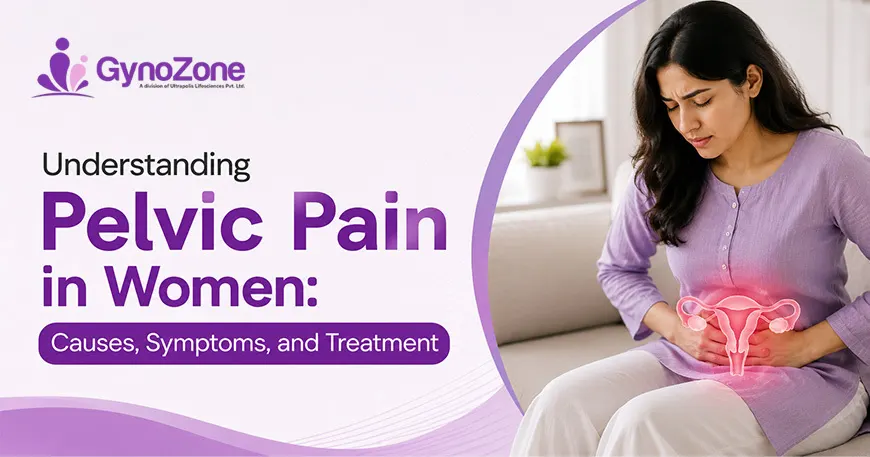
Pelvic pain refers to discomfort or pain felt in the lower part of the abdomen, below the belly button and between the hip bones. The pain may be mild or severe and can feel different from one person to another.
Some women describe pelvic pain as a dull ache, while others experience sharp, cramping, or stabbing pain. It may occur occasionally, come and go, or remain constant. In some cases, the pain may become worse during menstruation, ovulation, urination, bowel movements, physical activity, or intimate relations.
Understanding when the pain occurs and how it feels can provide useful information for your healthcare professional during evaluation.
Common Causes of Pelvic Pain
Pelvic pain is a symptom rather than a disease. It can result from several different medical conditions, and identifying the exact cause often requires a proper medical assessment.
Some common causes include:
- Menstrual cramps that occur during monthly periods.
- Ovulation pain that some women experience midway through the menstrual cycle.
- Urinary tract infections that may cause pain along with burning during urination.
- Ovarian cysts that may cause discomfort or pressure in the lower abdomen.
- Endometriosis, where tissue similar to the lining of the uterus grows outside the uterus.
- Uterine fibroids, which are non cancerous growths in the uterus.
- Pelvic inflammatory disease, an infection affecting the female reproductive organs.
- Digestive conditions such as constipation or irritable bowel syndrome.
Since many conditions can cause similar symptoms, it is important not to assume the cause without medical advice.
How Is Pelvic Pain Diagnosed?
Finding the cause of pelvic pain begins with understanding your symptoms and medical history. Your healthcare professional may ask when the pain started, how often it occurs, what makes it better or worse, and whether it is associated with your menstrual cycle or other symptoms.
Depending on your condition, the evaluation may include:
- A physical examination.
- A pelvic examination when appropriate.
- Blood or urine tests.
- An ultrasound to examine the pelvic organs.
- Additional imaging or other investigations if needed.
These tests help identify the underlying cause so that the most appropriate treatment can be recommended.
Treatment Options
The treatment for pelvic pain depends on its underlying cause. Some conditions improve with simple lifestyle changes or medicines, while others may require specialised treatment. For this reason, treatment should always be based on a proper medical evaluation rather than self diagnosis.
Depending on the diagnosis, your healthcare professional may recommend medicines to relieve pain, antibiotics for infections, hormonal treatment for certain gynecological conditions, or other therapies. In some situations, surgical treatment may be considered if it is the most appropriate option.
Following the recommended treatment plan and attending follow up appointments are important for managing symptoms and preventing complications.
Simple Self Care Measures
While medical treatment is important when needed, some simple measures may help relieve mild pelvic discomfort and improve overall comfort.
You may find relief by:
- Applying a warm compress to the lower abdomen.
- Drinking enough water throughout the day.
- Staying physically active with gentle exercise if comfortable.
- Eating a balanced and nutritious diet.
- Getting enough rest and quality sleep.
These measures may help reduce discomfort, but they should not replace medical care if the pain is severe, persistent, or worsening.
When Should You Seek Immediate Medical Care?
Although many causes of pelvic pain are not serious, some symptoms require urgent medical attention and should never be ignored.
Seek immediate medical care if pelvic pain is accompanied by:
- Sudden or severe pain.
- Heavy vaginal bleeding.
- Fever or chills.
- Persistent vomiting.
- Fainting or severe dizziness.
- Difficulty passing urine.
- Pain during pregnancy.
Prompt medical evaluation can help identify serious conditions early and ensure timely treatment.
Looking After Your Pelvic Health
Pelvic pain should never be considered a normal part of life if it is severe, keeps returning, or affects your daily activities. Paying attention to your symptoms and seeking medical advice early can help identify the cause before complications develop.
Regular health checkups, maintaining a healthy lifestyle, and discussing any persistent pelvic discomfort with your healthcare professional are important steps towards protecting your reproductive health. With the right diagnosis and treatment, many causes of pelvic pain can be managed effectively, helping women enjoy a healthier and more comfortable life.