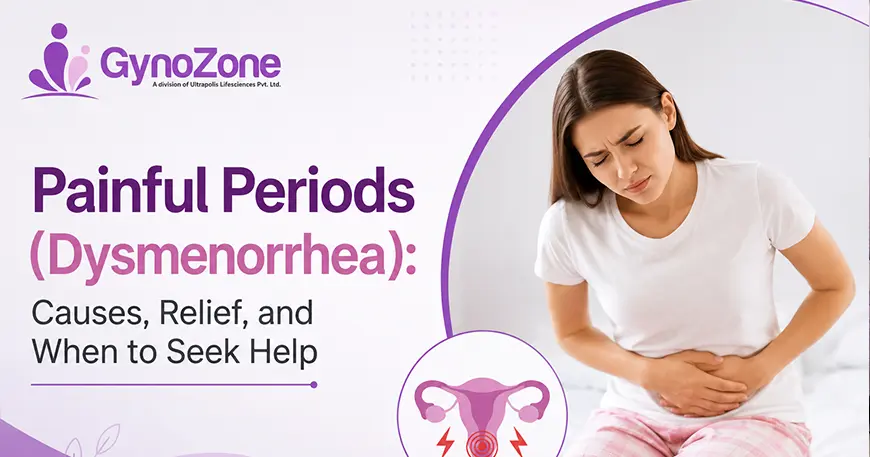

Menstrual cramps are a common part of the menstrual cycle for many women. While mild discomfort is usually normal, severe or persistent period pain that interferes with daily life should not be ignored. Understanding the causes of painful periods and knowing when to seek medical advice can help women manage their symptoms more effectively.
Most women experience some degree of discomfort during their menstrual cycle. For many, the pain is mild and lasts for a day or two. However, for others, menstrual cramps can be severe enough to affect work, school, physical activity, and everyday life.
Painful periods, also known as dysmenorrhea, are one of the most common gynecological concerns among women of reproductive age. Although they are often manageable with simple measures, recurring or severe pain may sometimes be a sign of an underlying medical condition that requires evaluation.
Understanding why period pain occurs, recognising when it is considered normal, and knowing when to seek medical care can help women make informed decisions about their health.
In this article, we’ll discuss the causes of painful periods, common symptoms, ways to find relief, and situations where medical attention may be necessary.
What Are Painful Periods?
Painful periods, or dysmenorrhea, refer to cramping pain that occurs before or during menstruation. The discomfort is usually felt in the lower abdomen but may also spread to the lower back or thighs.
There are two main types of dysmenorrhea:
Primary dysmenorrhea is the most common type. It is caused by natural uterine contractions that occur during menstruation and is not linked to any underlying medical condition.
Secondary dysmenorrhea is caused by an underlying health condition affecting the reproductive organs. Conditions such as endometriosis, uterine fibroids, adenomyosis, or pelvic inflammatory disease (PID) may contribute to more severe or prolonged menstrual pain.
A healthcare professional can help determine the cause if menstrual pain becomes severe or changes over time.
Common Symptoms
The symptoms of painful periods can vary from one woman to another. Some experience only mild cramps, while others may have pain that significantly affects their daily routine.
Common symptoms include:
- Cramping pain in the lower abdomen
- Pain that spreads to the lower back or thighs
- Nausea or an upset stomach
- Headache
- Fatigue
- Loose stools or diarrhoea in some women
- General discomfort during the first few days of menstruation
The intensity of symptoms may differ with each menstrual cycle. If the pain becomes progressively worse or is accompanied by other unusual symptoms, medical evaluation is recommended.
Common Causes of Painful Periods
During menstruation, the uterus contracts to help shed its lining. These contractions are triggered by hormone-like substances called prostaglandins. Higher levels of prostaglandins can lead to stronger uterine contractions and more intense menstrual cramps.
In some women, painful periods may also be associated with underlying conditions such as:
- Endometriosis
- Uterine fibroids
- Adenomyosis
- Pelvic inflammatory disease (PID)
- Certain intrauterine devices (IUDs), particularly during the first few months after insertion
Identifying the underlying cause is important because treatment may vary depending on the reason for the pain.
Ways to Find Relief
Many women can manage mild to moderate menstrual cramps with simple self-care measures. The right approach may vary from person to person, so it is important to find what works best while seeking medical advice if the pain is severe or persistent.
Some helpful ways to ease period pain include:
- Apply a heating pad or hot water bottle to the lower abdomen.
- Stay physically active with gentle activities such as walking or stretching.
- Drink plenty of water and eat balanced, nutritious meals.
- Get enough rest and maintain a regular sleep routine.
- Practise relaxation techniques such as deep breathing or meditation to help manage stress.
- Take pain-relieving medicines only as advised by a healthcare professional.
These measures may help reduce discomfort and allow you to continue your daily activities more comfortably.
When Should You See a Doctor?
Although menstrual cramps are common, some symptoms should not be ignored. Medical advice is important if period pain becomes severe, suddenly worsens, or begins interfering with your daily life.
You should consult a healthcare professional if you experience:
- Severe menstrual pain every month.
- Heavy menstrual bleeding or bleeding between periods.
- Pain that continues even after your period has ended.
- Fever, unusual vaginal discharge, or signs of infection.
- Pain that does not improve with recommended treatment.
A proper medical evaluation can help identify whether an underlying condition is causing the pain and determine the most appropriate treatment.
Can Painful Periods Be Prevented?
Not all cases of painful periods can be prevented, especially when they are related to natural menstrual cycles. However, maintaining a healthy lifestyle may help reduce the severity of symptoms for some women.
Regular physical activity, a balanced diet, adequate sleep, stress management, and routine gynecological checkups all contribute to better overall reproductive health. Early diagnosis and treatment of underlying conditions can also help prevent symptoms from becoming more severe.
Living Well with Painful Periods
Painful periods are common, but they should not be accepted as something you simply have to live with if they are severe or affecting your quality of life. Understanding the possible causes, recognising warning signs, and seeking timely medical advice can make a significant difference.
With the right care, healthy lifestyle habits, and appropriate treatment when needed, many women can manage menstrual pain effectively and continue their daily activities with greater comfort and confidence.