
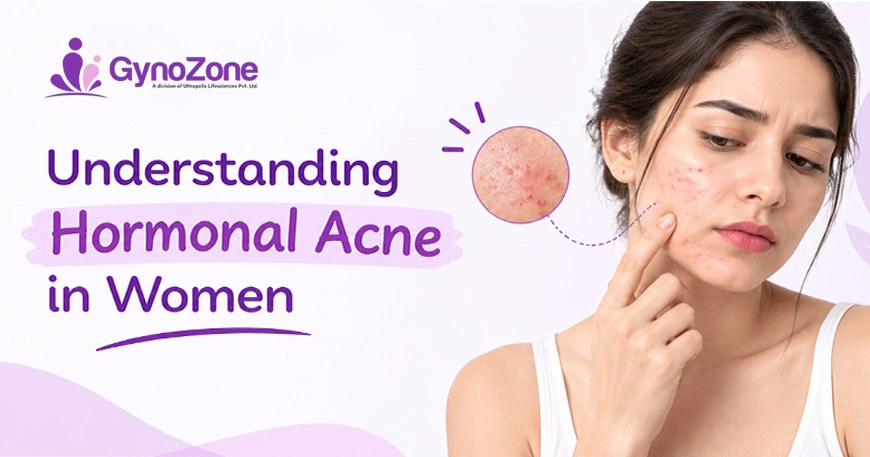

Hormonal acne is more than just an occasional breakout. Changes in hormone levels can affect the skin at different stages of life, leading to persistent pimples that may impact both physical comfort and self-confidence. Understanding the causes and treatment options can help women manage hormonal acne more effectively.
Acne is often thought of as a problem that only affects teenagers, but many women continue to experience breakouts well into adulthood. In many cases, these breakouts are linked to hormonal changes rather than poor hygiene or skincare habits. Hormonal acne can appear during puberty, around the menstrual cycle, during pregnancy, around menopause, or in women with certain hormonal conditions.
Unlike occasional pimples, hormonal acne tends to be recurring and may appear in the same areas of the face. It can sometimes be difficult to manage without understanding the underlying cause. Fortunately, a combination of healthy lifestyle habits, appropriate skincare, and medical treatment can help improve symptoms.
Understanding why hormonal acne develops is the first step towards finding the right approach to treatment. Every woman’s skin is different, and identifying possible triggers can make managing acne much easier.
In this blog, we’ll discuss what hormonal acne is, its common symptoms, possible causes, risk factors, and the treatment options available.
What Is Hormonal Acne?
Hormonal acne refers to acne that develops due to fluctuations or imbalances in hormone levels. Hormones called androgens can stimulate the skin’s oil glands to produce more sebum. When excess oil combines with dead skin cells and bacteria, pores may become blocked, leading to acne.
Hormonal acne commonly appears on:
- The chin.
- The jawline.
- The lower cheeks.
- Sometimes the neck and upper back.
The breakouts may include:
- Whiteheads.
- Blackheads.
- Red, inflamed pimples.
- Painful, deep cyst-like bumps beneath the skin.
Many women notice that their acne becomes worse before their menstrual period because hormone levels naturally change during this time.
Common Causes of Hormonal Acne
Several factors can contribute to hormonal acne. In many women, more than one factor may be involved.
Common causes include:
- Natural hormonal changes during the menstrual cycle.
- Puberty.
- Pregnancy.
- Perimenopause and menopause.
- Hormonal conditions such as polycystic ovary syndrome (PCOS).
- Certain medications that affect hormone levels.
- Family history of acne.
It is important to remember that hormonal acne is not caused by poor personal hygiene. Washing the face excessively or scrubbing the skin harshly may actually make irritation worse.
Risk Factors
Some women are more likely to develop hormonal acne than others. Certain factors can increase the risk, including:
- A family history of persistent acne.
- Irregular menstrual cycles.
- PCOS or other hormonal disorders.
- High stress levels.
- Using skincare products that clog pores.
- Lack of adequate sleep, which may influence overall skin health.
Recognising these risk factors can help women identify possible triggers and discuss them with a healthcare professional if acne becomes persistent or severe.
Treatment Options for Hormonal Acne
The right treatment for hormonal acne depends on its severity, underlying cause, and individual skin type. While mild acne may improve with simple skincare measures, persistent or severe acne may require medical treatment.
Treatment options may include:
- A gentle skincare routine using non-comedogenic (non-pore-clogging) products.
- Cleansers and creams containing ingredients recommended by a healthcare professional.
- Prescription medicines to reduce inflammation or control acne-causing bacteria.
- Hormonal treatments for women when appropriate and prescribed by a doctor.
- Treatment for underlying conditions such as PCOS, if present.
It is important to avoid squeezing or picking pimples, as this can increase the risk of infection and permanent scarring.
Healthy Habits That May Help
Although lifestyle changes alone may not cure hormonal acne, they can support healthier skin and complement medical treatment.
Some helpful habits include:
- Cleanse your face gently twice a day.
- Remove makeup before going to bed.
- Use oil-free, non-comedogenic skincare and cosmetic products.
- Eat a balanced diet rich in fruits, vegetables, whole grains, and lean protein.
- Stay well hydrated throughout the day.
- Manage stress through activities such as exercise, yoga, or meditation.
- Get adequate sleep every night.
Following a consistent skincare routine and maintaining healthy lifestyle habits can contribute to better skin health over time.
When Should You See a Doctor?
Occasional pimples are common, but some situations require medical attention.
Consult a healthcare professional if:
- Acne is painful or leaves scars.
- Breakouts continue despite using over-the-counter skincare products.
- Acne is affecting your confidence or emotional well-being.
- You also have irregular periods, excessive facial hair, or sudden weight changes, which may suggest an underlying hormonal condition.
- Acne becomes severe or widespread.
Early diagnosis and appropriate treatment can help control symptoms and reduce the risk of long-term skin damage.
Healthy Skin Starts from Within
Hormonal acne is a common condition that affects many women at different stages of life. While hormonal changes cannot always be prevented, understanding the underlying causes and seeking timely treatment can make acne much easier to manage.
A combination of gentle skincare, healthy lifestyle habits, and appropriate medical care can improve skin health and reduce recurring breakouts. If acne becomes persistent, painful, or begins to affect your quality of life, consulting a healthcare professional is the best step towards finding the most suitable treatment and achieving healthier, clearer skin.