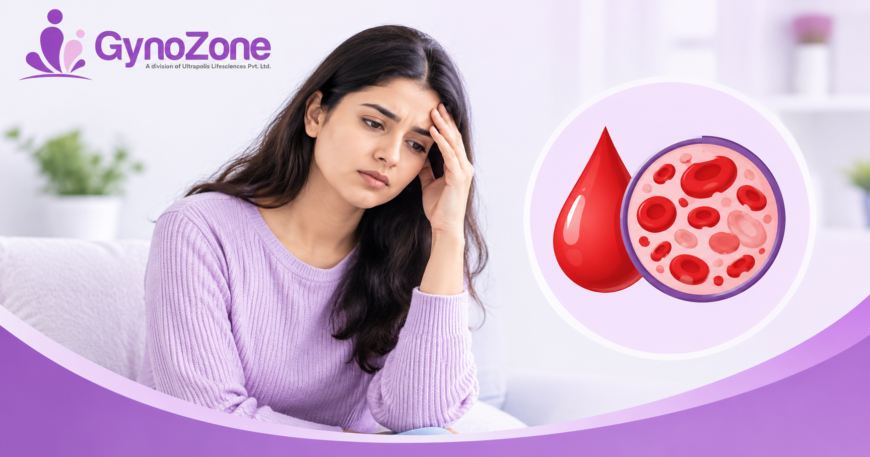

Feeling tired after a long day is common. But when tiredness continues even after enough rest, it may be worth looking deeper.
One possible reason is anemia, a condition in which the blood does not have enough healthy red blood cells or hemoglobin to carry oxygen around the body.
Anemia can affect anyone, but women are at higher risk of iron-deficiency anemia during certain stages of life. Menstrual blood loss, pregnancy, increased iron needs, and a diet low in iron can all play a role.
What Is Anemia?
Hemoglobin is a protein inside red blood cells. It carries oxygen from the lungs to the rest of the body.
When hemoglobin levels are too low, the body’s tissues may not receive enough oxygen.
This can lead to symptoms such as:
- Tiredness
- Weakness
- Dizziness
- Headaches
- Shortness of breath
- Pale skin
- Fast or noticeable heartbeat
- Poor concentration
The symptoms can be mild at first, so some women may not realize they have anemia.
Why Are Women More Prone to Anemia?
1. Menstrual Blood Loss
Regular menstrual bleeding means women lose some blood every month.
Blood contains iron, so repeated blood loss can gradually reduce the body’s iron stores.
Women with heavy or prolonged periods may lose more iron and have a greater risk of iron-deficiency anemia.
Heavy periods should not simply be accepted as something a woman has to live with. They can sometimes have an underlying cause and may need medical evaluation.
2. Pregnancy Increases Iron Needs
During pregnancy, the body needs more iron.
Iron is needed to make more blood and support the growing baby and placenta.
If a woman’s iron intake does not meet these increased needs, her iron stores may become low.
This is why iron status is commonly checked during pregnancy and why healthcare professionals may recommend iron supplements when needed.
3. Blood Loss During Childbirth
Blood loss during childbirth can also reduce iron levels.
Women who already have low iron stores during pregnancy may be more likely to develop anemia after delivery.
This makes nutrition and appropriate follow-up important during the postpartum period.
4. Not Getting Enough Iron
The body needs iron to make hemoglobin.
Iron can come from foods such as meat, poultry, seafood, beans, lentils, leafy green vegetables, nuts, seeds, and iron-fortified foods.
A diet that regularly provides too little iron may eventually contribute to iron deficiency.
However, anemia is not always caused by diet alone.
5. Problems Absorbing Iron
Even when a woman eats enough iron, her body may not absorb all of it.
Certain digestive conditions can affect iron absorption.
Some medicines and changes in the digestive system may also affect how nutrients are absorbed.
This is one reason persistent anemia should be evaluated rather than treated only by changing the diet.
What Does Iron Do in the Body?
Iron has an important role in making hemoglobin.
Hemoglobin allows red blood cells to carry oxygen throughout the body.
When iron levels become too low, the body may not be able to make enough healthy hemoglobin.
This can leave a woman feeling tired, weak, or short of breath during normal activities.
Iron is therefore important not just for blood health, but for maintaining normal energy and body function.
What Are the Early Signs of Anemia?
Anemia can develop slowly.
At first, a woman may simply feel more tired than usual.
As anemia becomes more severe, other symptoms may appear.
Common signs include:
Persistent Tiredness
Normal daily activities may start to feel more tiring than before.
Weakness
A woman may feel physically weak or have less energy for work and exercise.
Dizziness or Headaches
Low hemoglobin can sometimes be linked with dizziness or headaches.
Shortness of Breath
Some women may become breathless more easily, especially during physical activity.
Pale Skin
The skin, lips, or inside of the eyelids may appear paler than usual.
Fast Heartbeat
The heart may work harder to deliver oxygen around the body, which can cause a faster or more noticeable heartbeat.
These symptoms can have many causes, so they do not confirm anemia on their own.
Can Anemia Affect Daily Life?
Yes.
When anemia is significant, everyday activities may become harder.
A woman may struggle to stay focused at work, feel exhausted after routine tasks, or have less energy for exercise and family activities.
During pregnancy, untreated anemia can also affect the health of both mother and baby.
This is why identifying and treating anemia is important.
How Is Anemia Diagnosed?
Symptoms alone cannot confirm anemia.
A healthcare professional may recommend a blood test, often including a complete blood count or CBC.
The test can check hemoglobin and other blood measurements.
If iron deficiency is suspected, additional tests may be used to assess the body’s iron stores.
Finding the cause is also important.
For example, a woman with anemia caused by heavy menstrual bleeding may need evaluation of the bleeding itself, rather than simply taking iron without addressing the underlying problem.
Can Women Prevent Iron-Deficiency Anemia?
Not every case can be prevented, but healthy habits can help reduce the risk.
Include Iron-Rich Foods
Regularly include foods that provide iron.
Examples include:
- Lentils and beans
- Green leafy vegetables
- Meat and poultry
- Fish and seafood
- Nuts and seeds
- Iron-fortified foods
Include Vitamin C
Vitamin C can improve the absorption of iron from plant-based foods.
Fruits such as oranges, guava, kiwi, strawberries, and other vitamin C-rich foods can be included with meals.
Pay Attention to Heavy Periods
Very heavy or prolonged menstrual bleeding can increase iron loss.
If periods regularly interfere with daily life or require frequent changing of pads or tampons, it is worth discussing with a healthcare professional.
Follow Recommended Supplements
Some women may need iron supplements during pregnancy or when iron deficiency has been diagnosed.
Iron supplements should be taken according to medical advice because unnecessary or excessive iron can also cause problems.
Who Should Be More Careful About Anemia?
Some women have a higher risk of iron deficiency.
This includes women who:
- Have heavy menstrual bleeding
- Are pregnant
- Have recently given birth
- Follow diets that provide little iron
- Have certain digestive conditions
- Have ongoing blood loss
- Have previously had iron-deficiency anemia
Being in a higher-risk group does not mean a woman has anemia. It simply means her iron needs and blood health may need closer attention.
When Should Women Get Checked?
Do not ignore ongoing tiredness simply because life is busy.
Consider speaking with a healthcare professional if tiredness continues or occurs along with dizziness, weakness, breathlessness, pale skin, headaches, or a noticeable heartbeat.
Women with heavy menstrual bleeding should also discuss it with their healthcare provider.
A simple blood test can help determine whether anemia is present and guide further evaluation.
What Women Should Know
Anemia is common, but feeling constantly tired should not always be considered normal.
For many women, iron deficiency can develop gradually due to menstrual blood loss, pregnancy, increased iron needs, dietary factors, or other causes.
The important step is not just treating low hemoglobin, but understanding why it became low.
Paying attention to persistent symptoms, eating a balanced diet, managing heavy menstrual bleeding, and getting appropriate blood tests can help women take better care of their health.
Sometimes, persistent tiredness is more than just a busy day, it may be a sign that the body needs more attention.