
Thyroid disorders are among the most common hormonal conditions affecting women. Understanding the signs, possible causes, and available treatment options can help with early diagnosis and better long-term health.
Feeling tired all the time, gaining or losing weight without a clear reason, or noticing changes in your mood may not always be due to stress or a busy lifestyle. In some cases, these symptoms could be linked to your thyroid, a small gland that plays a major role in keeping your body functioning properly.
Thyroid disorders are among the most common hormonal health conditions in women. They can affect women at any age but are more frequently seen during the reproductive years, pregnancy, after childbirth, and around menopause. Since many thyroid symptoms develop gradually, they are often overlooked or mistaken for normal hormonal changes.
The good news is that most thyroid disorders can be effectively managed with early diagnosis, appropriate treatment, and regular follow-up care. Recognizing the warning signs early can help prevent complications and improve overall health and quality of life.
In this guide, we’ll explain what the thyroid gland does, the different types of thyroid disorders, why women are more likely to develop them, and how these conditions can be diagnosed and managed.
What Is the Thyroid Gland?
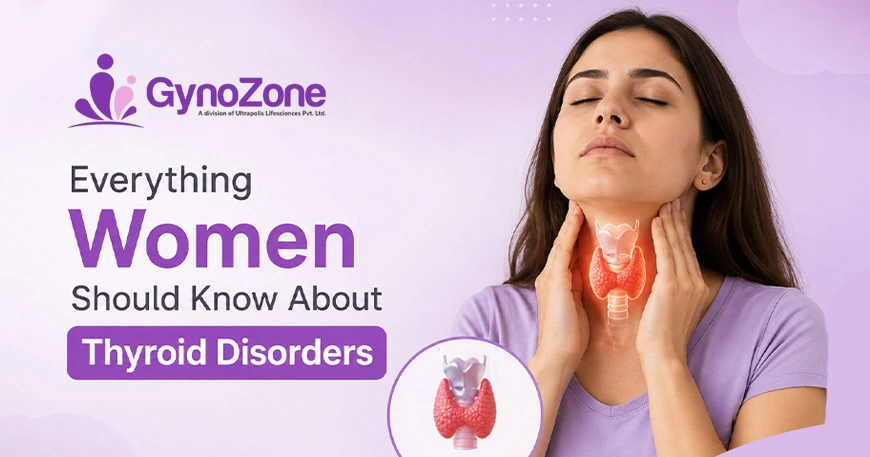
The thyroid is a small, butterfly-shaped gland located at the front of the neck, just below the voice box. Although it is small, it has a significant impact on many functions throughout the body.
The thyroid produces hormones called thyroxine (T4) and triiodothyronine (T3). These hormones help regulate how the body uses energy and support many important functions, including:
- Metabolism
- Heart rate
- Body temperature
- Energy levels
- Brain function
- Digestion
- Muscle function
- Growth and development
- Menstrual and reproductive health
When the thyroid produces either too little or too much hormone, it can affect many organs and lead to a wide range of symptoms.
Common Types of Thyroid Disorders
There are several thyroid conditions, but the two most common disorders affecting women are hypothyroidism and hyperthyroidism.
Hypothyroidism (Underactive Thyroid)
Hypothyroidism occurs when the thyroid gland does not produce enough thyroid hormones. As a result, many body functions slow down.
Women with hypothyroidism may experience fatigue, weight gain, constipation, dry skin, hair thinning, and increased sensitivity to cold. The condition usually develops gradually and may go unnoticed in its early stages.
Hyperthyroidism (Overactive Thyroid)
Hyperthyroidism occurs when the thyroid gland produces more hormones than the body needs. This speeds up many body functions.
Women with hyperthyroidism may experience unexplained weight loss, rapid heartbeat, excessive sweating, nervousness, trembling hands, difficulty sleeping, and heat intolerance.
Other Thyroid Conditions
Some women may also develop:
- Goiter, which is an enlargement of the thyroid gland.
- Thyroid nodules, which are lumps that develop within the thyroid. Most are non-cancerous, but they should be evaluated by a healthcare professional.
- Thyroiditis, which refers to inflammation of the thyroid gland and can occur after pregnancy or due to autoimmune conditions.
Why Are Women More Prone to Thyroid Disorders?
Women are significantly more likely than men to develop thyroid disorders. Several factors contribute to this increased risk.
- Hormonal Changes
Women’s hormone levels naturally change during puberty, pregnancy, after childbirth, and menopause. These hormonal changes can influence thyroid function and increase the likelihood of thyroid disorders.
- Autoimmune Conditions
Many thyroid disorders are caused by autoimmune diseases, in which the body’s immune system mistakenly attacks the thyroid gland. Autoimmune conditions are more common in women than in men.
- Pregnancy and Postpartum Changes
Pregnancy increases the body’s demand for thyroid hormones. Some women may develop thyroid problems during pregnancy or in the months following childbirth, making regular medical care especially important during this period.
- Family History
Having a close family member with a thyroid disorder may increase the risk of developing a similar condition.
- Increasing Age
Although thyroid disorders can occur at any age, the risk generally increases as women grow older, particularly after the age of 35 to 40 years.
Understanding these risk factors can help women recognize symptoms early and seek medical advice before complications develop.
Common Signs and Symptoms of Thyroid Disorders
The symptoms of thyroid disorders depend on whether the thyroid gland is producing too little or too much thyroid hormone. Because these symptoms often develop gradually, many women mistake them for stress, aging, or hormonal changes.
Symptoms of Hypothyroidism
When the thyroid is underactive, body functions slow down. Common symptoms include:
- Persistent tiredness or fatigue
- Unexplained weight gain
- Feeling cold more often than usual
- Dry skin
- Hair thinning or excessive hair fall
- Constipation
- Puffiness around the face
- Slow heart rate
- Muscle weakness or joint pain
- Difficulty concentrating or forgetfulness
- Heavy or irregular menstrual periods
- Low mood or depression
Not every woman experiences all of these symptoms, and their severity can vary from person to person.
Symptoms of Hyperthyroidism
When the thyroid is overactive, many body functions speed up. Common symptoms include:
- Unexplained weight loss despite a normal appetite
- Rapid or irregular heartbeat
- Feeling anxious, nervous, or irritable
- Trembling hands
- Excessive sweating
- Difficulty sleeping
- Heat intolerance
- Frequent bowel movements
- Muscle weakness
- Light or irregular menstrual periods
If left untreated, hyperthyroidism can affect the heart, bones, and overall health.
How Are Thyroid Disorders Diagnosed?
If your doctor suspects a thyroid disorder, they will begin by asking about your symptoms, medical history, and family history. A physical examination may also be performed to check for swelling or enlargement of the thyroid gland.
To confirm the diagnosis, your doctor may recommend:
- Blood tests: These measure thyroid hormone levels, including TSH (Thyroid Stimulating Hormone), T3, and T4.
- Thyroid ultrasound: This imaging test helps evaluate the size of the thyroid gland and detect nodules or other structural changes.
- Additional tests: In certain situations, your doctor may recommend further investigations depending on your symptoms and medical history.
An accurate diagnosis is essential because treatment depends on the specific thyroid condition.
Treatment and Management
The treatment for thyroid disorders varies depending on the type and severity of the condition.
For women with hypothyroidism, treatment usually involves replacing the missing thyroid hormone with medication prescribed by a healthcare professional. Regular follow-up and blood tests help ensure the dosage remains appropriate.
For hyperthyroidism, treatment may include medicines that reduce thyroid hormone production or other treatment options recommended by a specialist, depending on the underlying cause.
Along with medical treatment, healthy lifestyle habits can support overall well-being.
Some helpful habits include:
- Eating a balanced and nutritious diet.
- Staying physically active.
- Getting enough sleep each night.
- Managing stress through relaxation techniques or regular exercise.
- Taking thyroid medication exactly as prescribed.
- Attending regular follow-up appointments and blood tests.
It is important not to stop or change thyroid medication without consulting your doctor, even if you begin to feel better.
When Should You See a Doctor?
Many thyroid symptoms can resemble other health conditions, so it is important not to ignore ongoing changes in your health.
Consult a healthcare professional if you experience:
- Persistent tiredness without an obvious reason.
- Sudden weight gain or weight loss.
- Noticeable swelling at the front of the neck.
- Hair thinning or unusual hair loss.
- Changes in your menstrual cycle.
- A rapid, slow, or irregular heartbeat.
- Ongoing constipation or frequent bowel movements.
- Difficulty sleeping, anxiety, or unexplained mood changes.
Women who are pregnant, planning a pregnancy, or have a family history of thyroid disease should also discuss thyroid health with their healthcare provider.
Looking After Your Thyroid Health
The thyroid may be a small gland, but it has a big influence on many important functions in the body. When it is not working properly, it can affect energy levels, metabolism, heart health, menstrual cycles, and overall well-being.
The good news is that most thyroid disorders can be effectively managed with early diagnosis, appropriate treatment, and regular monitoring. Paying attention to persistent symptoms and seeking medical advice when needed can make a significant difference.
By staying informed, maintaining a healthy lifestyle, and following your doctor’s recommendations, women can successfully manage thyroid disorders and continue to lead healthy and active lives.