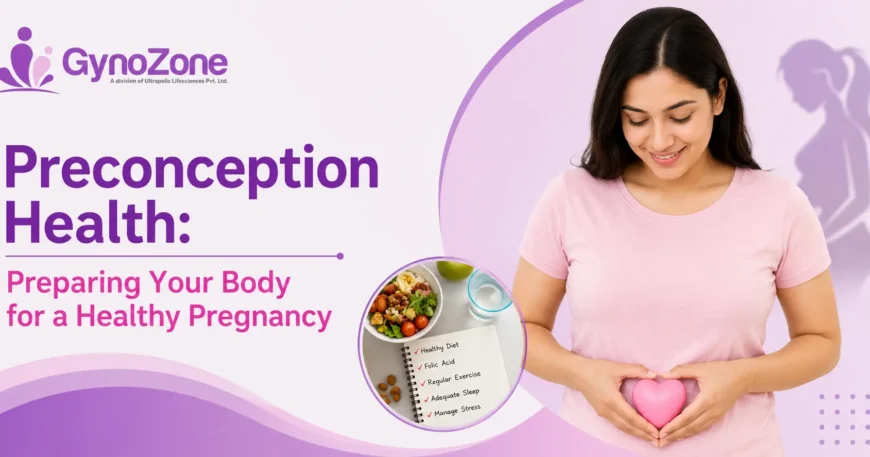

A healthy pregnancy begins even before conception. Preparing your body through healthy lifestyle choices, proper nutrition, and regular health checkups can support maternal well-being and create the best possible environment for a growing baby.
Planning a pregnancy is an exciting time, and taking steps to improve your health beforehand can benefit both you and your future baby. While pregnancy care often begins after conception, preconception health focuses on preparing the body before pregnancy occurs.
Good health before pregnancy can help reduce certain risks during pregnancy and support the healthy development of the baby. It also provides an opportunity to identify and manage existing health conditions, review medications, and adopt healthy habits that can continue throughout pregnancy.
Whether you are planning your first pregnancy or expanding your family, making positive lifestyle changes before conception can have lasting benefits.
In this article, we’ll discuss why preconception health matters, the role of nutrition, essential nutrients, and the importance of preparing your body for a healthy pregnancy.
Why Preconception Health Matters
Preconception health refers to the care and healthy lifestyle choices that help prepare a woman’s body for pregnancy. Good health before conception supports both maternal well-being and healthy fetal development.
Many medical conditions, nutritional deficiencies, and lifestyle factors can affect pregnancy. Addressing these concerns before conception gives women the opportunity to improve their overall health and receive appropriate medical guidance.
Planning ahead also allows time to discuss family medical history, existing health conditions, vaccinations, and any medicines that may need adjustment before pregnancy.
Healthy Eating Before Pregnancy
A balanced and nutritious diet provides the body with the nutrients needed to prepare for pregnancy. Healthy eating also supports a healthy weight, improves energy levels, and helps build nutrient stores that are important during pregnancy.
A healthy preconception diet should include:
- Plenty of fruits and vegetables.
- Whole grains.
- Lean sources of protein such as pulses, beans, eggs, fish, and poultry.
- Milk and other calcium-rich foods.
- Iron-rich foods such as green leafy vegetables, beans, and fortified cereals.
- Healthy fats from nuts, seeds, and vegetable oils.
Eating a variety of nutritious foods every day helps provide the vitamins and minerals needed for good reproductive health.
Essential Nutrients Before Pregnancy
Certain nutrients are especially important before conception because they support healthy pregnancy and fetal development.
These include:
- Folic acid
- Iron
- Calcium
- Vitamin D
- Iodine
A healthcare professional may recommend supplements based on your individual health needs. It is important to take supplements only as advised rather than starting them on your own, as the right type and dose can vary from person to person.
Healthy Lifestyle Habits Before Pregnancy
Preparing for pregnancy involves more than eating well. Healthy lifestyle habits can improve overall well-being and help create the best possible environment for a healthy pregnancy.
Some simple habits include:
- Aim for a healthy body weight before conception.
- Stay physically active with regular exercise that suits your fitness level.
- Get seven to nine hours of quality sleep each night.
- Manage stress through relaxation techniques, hobbies, or mindfulness practices.
- Avoid smoking, alcohol, and recreational drugs.
- Limit caffeine intake according to your healthcare professional’s advice.
These habits can support reproductive health and may contribute to a healthier pregnancy journey.
Schedule a Preconception Health Checkup
A preconception checkup gives you the opportunity to discuss your health with a healthcare professional before becoming pregnant. This visit can help identify any medical concerns that may need attention and ensure your body is well prepared for pregnancy.
During the consultation, your healthcare professional may:
- Review your medical and family history.
- Check your vaccination status.
- Assess any existing medical conditions.
- Review medicines you are currently taking.
- Recommend appropriate health screenings or laboratory tests if needed.
Planning ahead allows time to address health concerns before pregnancy begins.
When Should You Consult a Doctor?
It is a good idea to consult a healthcare professional as soon as you begin planning a pregnancy. Women with conditions such as diabetes, high blood pressure, thyroid disorders, or other chronic illnesses should seek medical advice early to ensure these conditions are well managed before conception.
You should also speak with your doctor if you have experienced previous pregnancy complications, have concerns about fertility, or are taking long-term medicines. Early guidance can help you make informed decisions and prepare for a healthy pregnancy.
Preparing for a Healthy Future
Preconception care is one of the most important steps in supporting a healthy pregnancy. By focusing on balanced nutrition, healthy lifestyle habits, regular medical checkups, and appropriate medical guidance, women can improve their own health while creating a strong foundation for their future baby’s development.
Every pregnancy journey is unique, but preparing your body before conception is an investment in the health of both mother and child. Small, positive changes made today can contribute to a healthier pregnancy and a brighter start for the future.