
Women’s reproductive health conditions can sometimes present with overlapping symptoms, making it difficult to distinguish between them without proper medical evaluation. Three such conditions, Ovarian Cancer, Polycystic Ovary Syndrome (PCOS), and Endometriosis, are often confused due to shared signs like pelvic discomfort and menstrual irregularities. These differences can be understood to make women seek early diagnosis and treatment.
Understanding Ovarian Cancer Symptoms
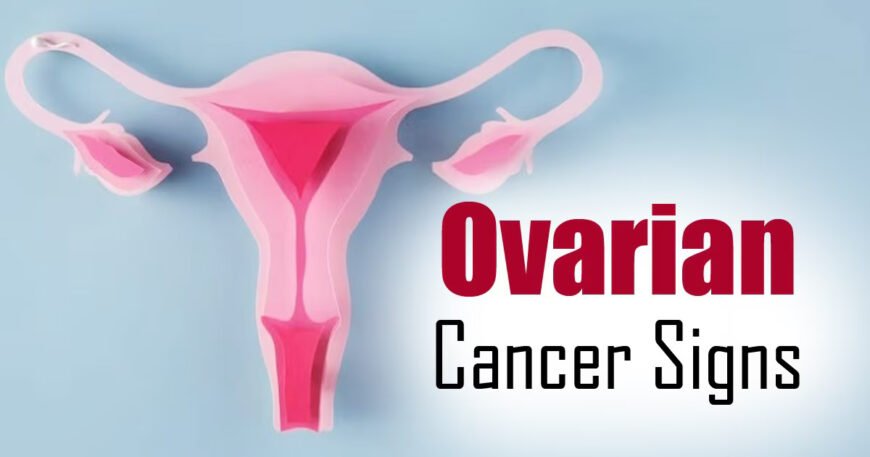
Ovarian Cancer is commonly referred to as a silent disease since the symptoms may be so mild and confused with normal digestive or menstrual problems. Early signs may include persistent bloating, abdominal swelling, difficulty eating, or feeling full quickly. The symptoms of ovarian cancer are also persistent and gradually increase with time, as compared to other reproductive conditions. Also, in advanced stages, additional symptoms can develop, such as unexplained weight loss and back pain.
Among the main distinguishing factors is the fact that the ovarian cancer symptoms are often novel and unfamiliar to the patient, particularly in women beyond 40 years.
PCOS: Hormonal Imbalance and Metabolic Signs
Polycystic Ovary Syndrome is a hormonal disorder that affects how the ovaries function. It is common in women who are of childbearing age and usually comes with irregular menstrual periods, surplus androgen (male hormone), and several small cysts on the ovaries. PCOS symptoms are normally not sudden but long-term and consistent. Women can experience abnormal or absent periods, excessive hair growth (hirsutism), acne, and weight gain.
Another frequent concern of PCOS is fertility problems. PCOS, as opposed to ovarian cancer, does not tend to produce chronic abdominal bloating or symptoms that develop rapidly. Also, PCOS is often characterized by metabolic disorders, including insulin resistance, which is not a characteristic of ovarian cancer.
Endometriosis: Pain-Centered Symptoms
Endometriosis is a condition in which the tissue that looks like the inner wall of the uterus develops outside the uterus, causing inflammation and pain. It is mostly linked to intense menstrual cramps exceeding normal period pain. During intercourse, heavy periods, and digestive problems like diarrhea or constipation are also painful to women, especially during their cycle.
In comparison to ovarian cancer, endometriosis pain is usually cyclical in nature, that is, it becomes more severe during menstruation. Although bloating may happen (also known as endo belly), it is typically associated with the menstrual cycle and is not permanent.
Key Differences at a Glance
While these three conditions share some overlapping symptoms, a closer look reveals clear distinctions:
-
Symptom Pattern:
The symptoms of ovarian cancer are chronic and progressive, but PCOS and endometriosis symptoms are chronic, hormonal, and cyclical, and pain, respectively.
-
Primary Indicators:
Bloating, changes in appetite, and urinary urgency are common effects of ovarian cancer. Endometriosis is a condition that is marked by painful periods and severe pelvic pain.
-
Onset:
The symptoms of PCOS tend to manifest themselves in adolescence or early adulthood stage and endometriosis can develop slowly but manifest more clearly with time.
-
Associated Features:
PCOS involves weight changes and metabolic problems, whereas inflammation and pain are prevalent in endometriosis. Ovarian cancer can have systemic symptoms such as fatigue and unexplained weight loss.
When to See a Doctor
In case of persistent bloating, pelvic pain, irregular periods, or any other abnormal alterations in your body, seek medical attention. Early diagnosis is important, particularly in such diseases as ovarian cancer, where symptoms are usually ignored.
Monitoring your symptoms, including their frequency, intensity, and timing, will help your physician make the right diagnosis. Ultrasounds, blood tests, and physical tests are diagnostic tools typically employed to distinguish between these conditions.
Although Ovarian Cancer, Polycystic Ovary Syndrome, and Endometriosis can appear similar at first glance, their symptoms, causes, and progression are quite different. Understanding these differences will enable women to gain control of their health and receive medical attention in time.
The initial step to prevention and effective management is awareness. When something does not work, it is always advisable to check it out early before it is late.