
Pregnancy brings many changes to a woman’s body, from changing hormone levels to changes in appetite and sleep. However, one area that women may overlook during pregnancy is their oral health.
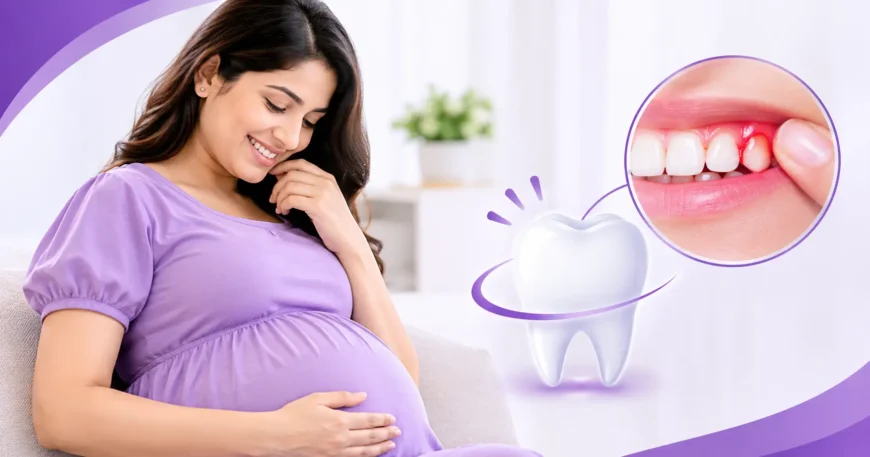
Have you noticed that your gums bleed while brushing or feel more swollen than usual during pregnancy? These changes can occur because pregnancy hormones affect how the gums respond to plaque, the sticky layer of bacteria that builds up on teeth.
Pregnancy does not automatically cause gum disease, but it can make existing gum problems worse or increase the risk of gum inflammation. Understanding these changes can help women maintain healthy gums throughout pregnancy.
Why Can Pregnancy Affect Gum Health?
During pregnancy, levels of hormones such as estrogen and progesterone increase. These hormonal changes can affect the body’s response to bacteria in dental plaque.
As a result, the gums may become more sensitive, swollen, or likely to bleed. This condition is commonly known as pregnancy gingivitis, a form of gum inflammation.
Pregnancy gingivitis can develop even when a woman has not experienced noticeable gum problems before. However, plaque remains an important factor, so maintaining good oral hygiene is essential.
Hormonal changes can increase gum sensitivity, but they do not replace the need for regular brushing, flossing, and dental checkups.
What Are the Common Signs of Gum Problems During Pregnancy?
Gum changes can begin during the early months of pregnancy and may become more noticeable as pregnancy progresses.
Common signs include:
- Bleeding gums: You may notice blood while brushing or flossing.
- Swollen gums: The gums may look puffy or feel tender.
- Redness: Healthy gums are generally firm and pink, while inflamed gums can appear redder.
- Gum sensitivity: Brushing or eating certain foods may feel uncomfortable.
- Persistent bad breath: This can occur when plaque and bacteria build up in the mouth.
These symptoms should not be ignored, especially if they persist or become worse. A dentist can examine the gums and recommend appropriate care.
Can Morning Sickness Affect Your Teeth and Gums?
Morning sickness can affect oral health, particularly when vomiting occurs frequently.
Stomach acid can temporarily soften tooth enamel. Brushing immediately after vomiting may increase the risk of enamel wear because the enamel is more vulnerable at that time.
After vomiting, rinse your mouth with plain water. You can also ask your dentist about suitable ways to protect your teeth if morning sickness continues.
Frequent nausea may also make brushing difficult. If toothpaste triggers nausea, try a smaller amount or a milder-flavoured toothpaste.
Maintaining oral hygiene as comfortably as possible can help reduce plaque buildup during pregnancy.
Does Pregnancy Increase the Risk of Gum Disease?
Pregnancy can make the gums more reactive to plaque, which may increase the likelihood of gum inflammation.
If gingivitis is not managed, it can sometimes progress to periodontitis, a more serious form of gum disease that affects the tissues supporting the teeth.
Possible signs of more advanced gum disease include persistent gum swelling, receding gums, loose teeth, or discomfort while chewing.
These symptoms need dental evaluation. Early care can help control gum inflammation and prevent further damage.
It is important to remember that bleeding gums do not automatically mean you have advanced gum disease. A dental examination can help identify the cause.
How Can Women Maintain Healthy Gums During Pregnancy?
Simple daily habits can help protect oral health throughout pregnancy.
Brush twice a day. Use a soft-bristled toothbrush and fluoride toothpaste. Brush gently along the gumline to remove plaque without irritating the gums.
Clean between your teeth. Use dental floss or suitable interdental cleaning tools to remove plaque from areas a toothbrush cannot reach.
Choose balanced meals. Include a variety of nutritious foods, such as vegetables, fruits, whole grains, and suitable protein sources. Limit frequent sugary snacks and drinks, which can increase the risk of tooth decay.
Drink water regularly. Water helps keep the mouth comfortable and supports general health.
Replace your toothbrush when needed. Worn bristles may clean less effectively, so replace your toothbrush when the bristles become frayed.
If brushing causes repeated bleeding or discomfort, do not simply stop cleaning the area. Arrange a dental checkup to understand the cause and receive suitable advice.
Is It Safe to Visit a Dentist During Pregnancy?
Yes. Routine dental checkups, professional cleaning, and necessary dental treatment are generally safe during pregnancy.
In fact, delaying dental care may allow an existing problem to worsen. Tell your dentist that you are pregnant and share details about any medicines or pregnancy-related concerns.
Dental X-rays, when clinically necessary, can be performed using appropriate precautions. Local anesthesia and many common dental procedures can also be used safely when indicated.
If you have tooth pain, gum swelling, or signs of infection, seek dental advice rather than waiting until after delivery.
Your dentist can help determine which treatment is appropriate for your stage of pregnancy and individual needs.
Can Gum Problems Affect Pregnancy?
Research has found an association between periodontitis and certain adverse pregnancy outcomes, including preterm birth and low birth weight. However, an association does not prove that gum disease directly causes these outcomes, and research findings have not established that treating gum disease prevents them.
This is one reason maintaining oral health during pregnancy is important. Treating gum problems supports the health of the mouth and helps prevent the condition from progressing.
Women should not feel alarmed if they experience bleeding gums. Instead, they should seek appropriate dental care and maintain regular oral hygiene.
When Should Pregnant Women Seek Dental Care?
Occasional mild gum sensitivity may occur during pregnancy, but persistent or worsening symptoms deserve attention.
Contact a dentist if you notice repeated bleeding, swollen gums, persistent bad breath, gum recession, or pain while chewing.
Seek urgent dental care if you experience severe tooth pain, facial swelling, pus around a tooth, or fever with suspected dental infection. Difficulty swallowing or breathing requires emergency medical attention.
Regular dental visits can help identify problems early, even when symptoms are mild.
What Women Should Know
Pregnancy hormones can make gums more sensitive to plaque, increasing the risk of gum inflammation. Bleeding, redness, and swelling are common warning signs that deserve attention.
Brushing twice daily with fluoride toothpaste, cleaning between teeth, eating balanced meals, and visiting a dentist can help protect oral health during pregnancy.
Healthy gums are an important part of pregnancy care. If you notice persistent bleeding or swelling, seek dental advice instead of assuming it is simply a normal pregnancy change.